
BPC-157 and TB-500 · Recovery peptide blend
BPC-157 and TB-500: Two research peptides, one honest recovery conversation.
BPC-157 and TB-500 are often paired by people exploring support for their recovery. Both are promising in the lab and barely studied in people. At Integrated Functional Health we start with the honest picture, then build the plan that does the heavy lifting: rehab, movement, sleep and a calmer nervous system.
- BPC-157 and TB-500
- Independent medical review
- Telehealth
- Shipped to your door

At a glance
BPC-157 and TB-500 in brief
The blend pairs BPC-157, studied for blood vessel growth and tendon cell signaling, with TB-500, a fragment of thymosin beta-4 studied for helping cells move where tissue is rebuilding. The research is almost entirely in animals and the lab, and human evidence is still very limited.
- What it is: Two synthetic peptides, BPC-157 and TB-500, combined in one vial.
- How it is taken: A small injection under the skin, five days on, two off.
- Often explored for: Supporting recovery alongside rehab, physical therapy and smart training.
- Evidence: Mostly animal and laboratory research, with very few human studies.
- Status: Neither peptide is FDA approved for any use.
What it is
What is BPC-157 and TB-500?
This blend combines two peptides in a single injection. BPC-157 is a chain of 15 amino acids, a synthetic piece of a protein found in human gastric juice. TB-500 is a synthetic fragment of thymosin beta-4, a protein found in almost every cell in the body, where it helps control the internal scaffolding cells use to change shape and move.
Neither is FDA approved for any use, and neither is a supplement. The blend is compounded by an independent licensed pharmacy for an individual patient, after an independent licensed provider decides it is appropriate. People interested in recovery explore it as one part of a broader plan, never as a replacement for good rehab, physical therapy or rest.
How it works
How BPC-157 and TB-500 works
The idea behind the blend is that the two peptides are studied for different, complementary effects. Most of what is known comes from studies in animals and in cells grown in the lab, so read this as early science rather than settled fact.
BPC-157 is thought to encourage the growth of new small blood vessels and to interact with nitric oxide and growth signals in tendon cells. Researchers have studied it in models of tendon, ligament, muscle and gut lining.
Thymosin beta-4, the protein TB-500 comes from, binds actin, a building block of the cell's internal framework. In lab studies this helps cells move toward an area that needs tissue repair, and it is also linked with new blood vessel growth. TB-500 is a short piece of that protein, chosen to carry this activity.
Because both peptides are studied for encouraging new blood vessels, and tumors rely on new blood vessels to grow, the blend is not used by anyone with active or past cancer unless their cancer specialist agrees.
What it may support
What people explore BPC-157 and TB-500 for
Recovery support
May support your recovery when paired with rehab, physical therapy and sensible load management.
Consistency
A steady five day rhythm can make it easier to keep up with sleep, mobility and training.
One injection, two peptides
Combining both in one vial keeps the routine simple.
Weekly check ins
The routine pairs naturally with weekly progress reviews alongside your coaching.
How it is used
What taking BPC-157 and TB-500 looks like
Your independent licensed provider sets your dose and adjusts it over time. Here is what the routine involves.
- Form: A small injection under the skin, with a very fine needle.
- Where: Near the area of concern, or a standard spot such as the abdomen or thigh. Rotate spots.
- How often: Five days on and two days off each week, usually in the morning.
- How long: Usually a cycle of about four or eight weeks, then a review with your provider.
- Dose: Set by your provider and adjusted based on how you respond.
- Storage: Keep it in the refrigerator unless your pharmacy tells you otherwise.
What the research says
The evidence, plainly
Most of the research on BPC-157 comes from animal studies, much of it from a single research group in Croatia. Those studies report encouraging effects on tendon, ligament, muscle, gut lining and blood vessel growth in rats, but human research is very thin, with only a few small reports and no large controlled trials.
Thymosin beta-4 has a longer research history. The full protein has been tested in human trials as eye drops and as a gel on the skin. TB-500, the short fragment used in this blend, has not been tested in published human trials, so its effects in people are not known.
No published study has tested the two together in people. Animal results often do not carry over to humans, so we present this blend honestly: an option some people explore, with clear limits, decided by a licensed provider who knows your history.
Safety
Who it suits, and what to watch for
It may not be right for
- Anyone with a known allergy or sensitivity to peptide ingredients
- Active cancer or a past cancer, unless your cancer specialist agrees
- Anyone who is pregnant or breastfeeding, as human safety data is lacking
- An autoimmune condition or medicines that strongly affect the immune system
- A history of unusual wound healing disorders
- Current use of cocaine or methamphetamine
- Anyone competing in tested sport, as WADA prohibits both BPC-157 and TB-500
Your provider reviews your full health history and current medications before prescribing.
Possible side effects
- Redness, itching or a small bruise where you inject
- Mild headache, tiredness or nausea, reported by some people
- An allergic reaction, which is possible with any injected peptide
- Infection at the injection site, rare with clean technique
- Unknown long term effects, because large human studies do not exist
If a side effect is severe or does not settle, contact your provider. For trouble breathing, swelling of the face or throat, or chest pain, call 911.
How it fits your plan
More than a prescription
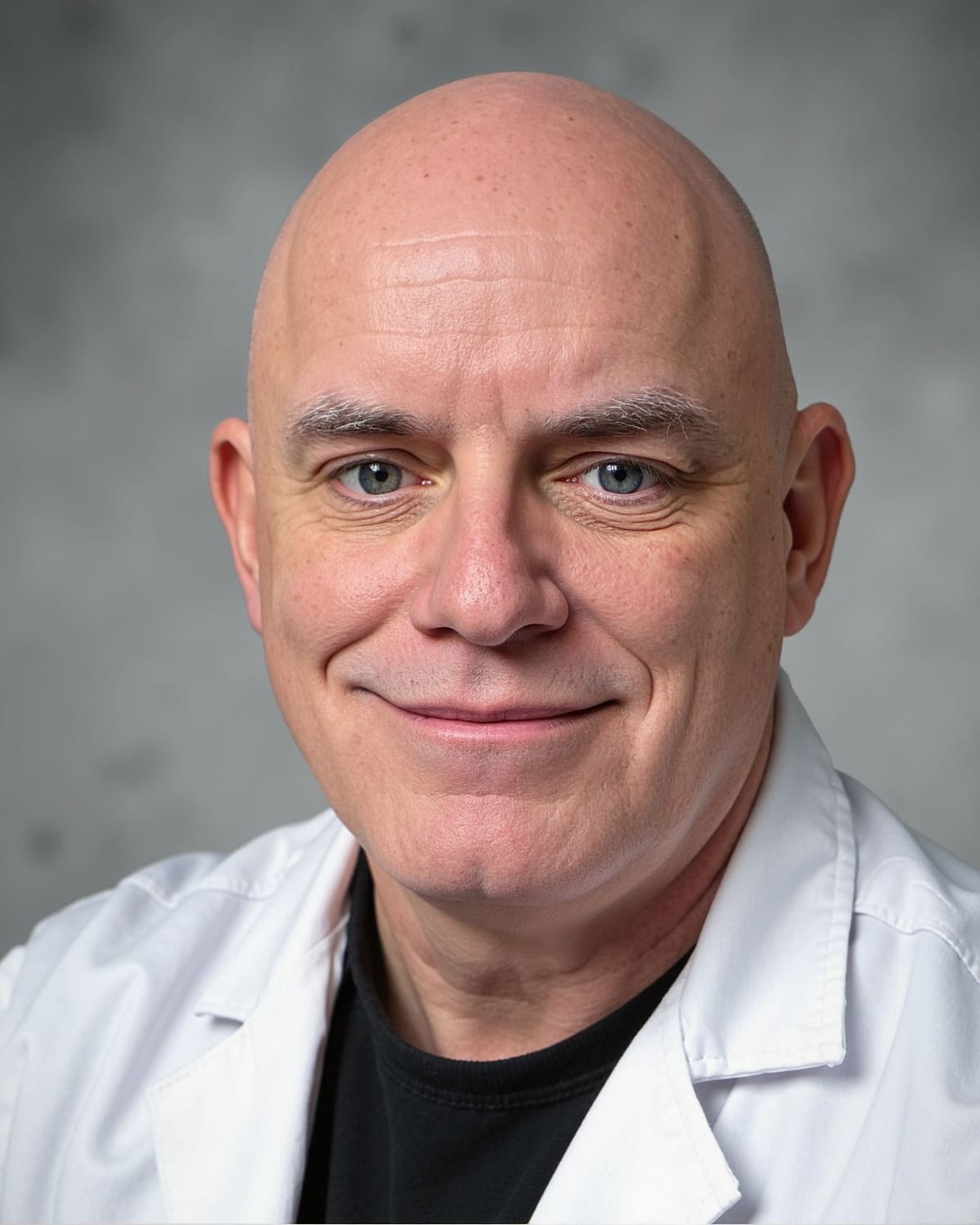
A peptide is never the plan. Recovery happens when tissue is loaded well, rested well and supported by a nervous system that feels safe enough to rest and rebuild. That is where we put our attention. Our Integrated Functional Neurology work with Matt focuses on the nervous system side of pain and movement, helping brain and body work together again. Regulate, Integrate, Optimize is the thread: calm the alarm, restore smooth movement, then build strength and resilience.
Alongside the blend we focus on your rehab or physical therapy plan, quality sleep, daily mobility, protein and smart, gradual training. Functional Health Coaching looks at the wider picture: inflammation, nutrition, stress and energy. If you would like them, lab work at a local Labcorp or Quest location and professional grade supplements can round out the plan.
Good to know
The details that matter
- Neither peptide is FDA approved for any use. Compounded peptides have not been reviewed by the FDA for safety, effectiveness or quality.
- In April 2026 the FDA removed BPC-157 from its restricted list. In July 2026 an FDA advisory committee recommended allowing both for compounding; the final decision is pending.
- It is prescribed only after an independent licensed medical provider reviews your health history and decides it is appropriate. Your provider also sets your dose.
- Your blend is prepared by an independent licensed pharmacy and shipped to your door, in most states.
How to start
Four simple steps
Book your consultation
Thirty minutes with Matt DeWild, RN, at our Bettendorf clinic or by telehealth. Talk through your goals, your health and what you have tried.
Share your health history
If you want to go ahead, you complete a secure health history form. An independent licensed provider reviews it, follows up with you by telehealth when needed, and decides whether BPC-157 and TB-500 is right for you.
Delivered to your door
If approved, your medication is prepared by an independent licensed pharmacy and shipped straight to you.
Build habits that last
Coaching with Matt and our online programs focus on protein, strength, sleep and stress, the habits that decide what you keep.
Questions
Questions about BPC-157 and TB-500
Why combine two peptides?
In lab and animal research the two are studied for different effects: BPC-157 mainly for blood vessel growth and tendon cell signaling, TB-500 for helping cells move. The thinking is that together they cover more ground. That idea has not been tested in human trials, which is why your provider weighs it against using BPC-157 alone, or neither.
Will the blend fix my injury?
No peptide can promise that, and we will not. Both peptides are studied mostly in animals, and the evidence in people is very limited. What reliably moves recovery forward is the plan around it: good rehab, the right load, sleep, nutrition and a settled nervous system. If the blend is part of your plan, it is one supporting piece of that work.
Is TB-500 the same as thymosin beta-4?
Not quite. Thymosin beta-4 is a full natural protein your body makes. TB-500 is a short synthetic fragment of it, made to carry the part researchers believe matters most for cell movement. Studies on the full protein do not automatically apply to the fragment, which is one reason we describe the evidence for TB-500 so carefully.
How soon might I notice anything?
There is no reliable human data on timing, so we will not give you a number. Some people describe changes within a cycle; others notice little. That is why a cycle ends with a review with your provider, and why we track how you move, sleep and feel rather than relying on the peptides alone.
How do I get started?
Book a 30 minute consultation with Matt DeWild, RN, at the clinic or by telehealth. You will talk about your recovery goals, your history and the work you are already doing, and Matt will explain how the medical assessment with an independent licensed provider works. There is no obligation.
Keep exploring
Related options
See every option on the Medical Weight Loss and Peptide Therapy pages.
Your next step
Find out if BPC-157 and TB-500 fits your plan.
A 30 minute conversation with Matt is the simplest way to understand your options and how the medical review works.