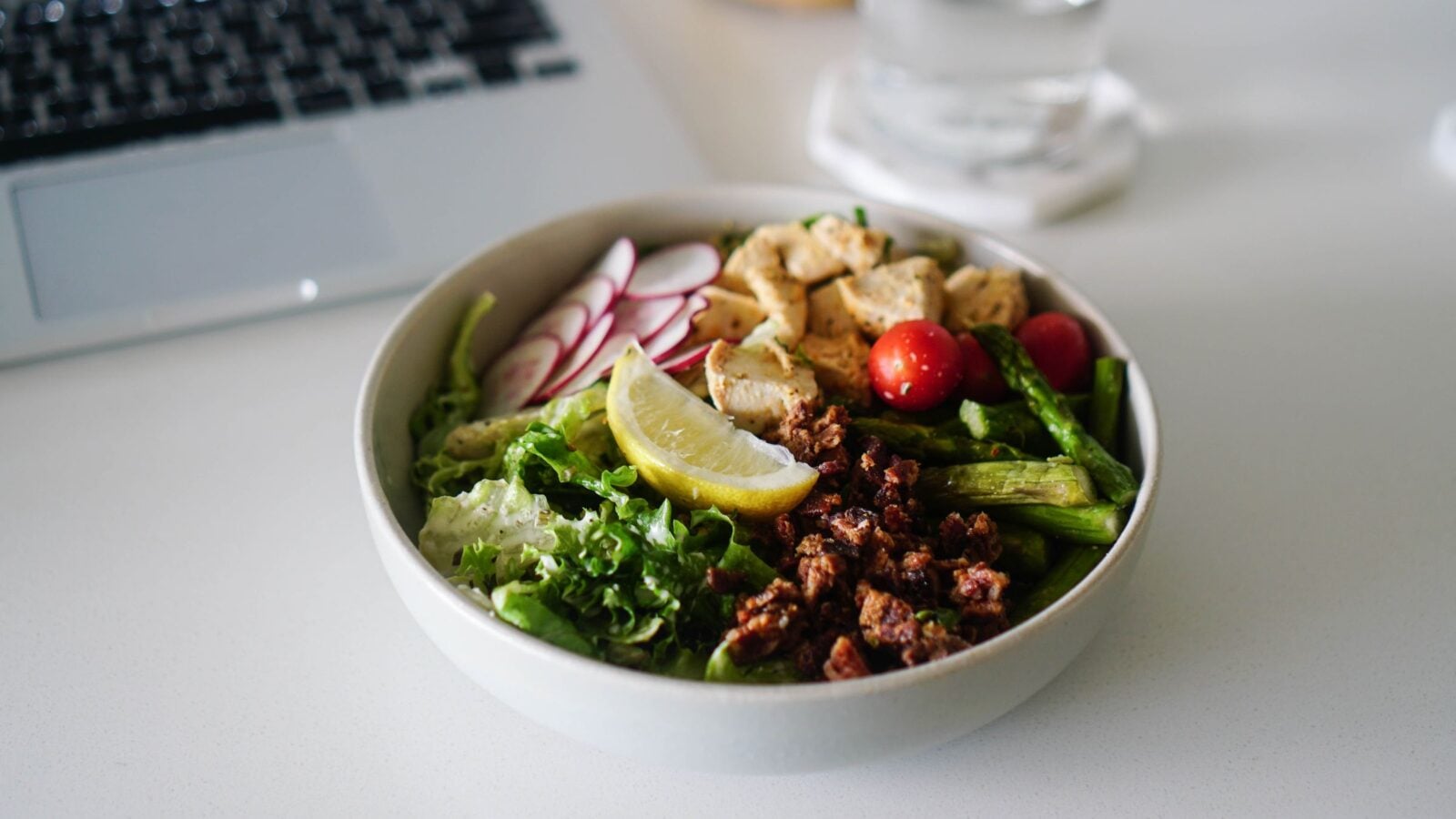
It often arrives somewhere between 2 and 4 p.m. Your eyes feel heavy, the words on the screen stop going in, and the snack drawer or the coffee machine starts calling. Some people also notice a short fuse, a dip in mood or a craving for something sweet.
Many people treat the afternoon crash as a fact of life, or as a sign they are not tough enough. It is neither. It usually has two or three causes working together, and each one gives you something practical to adjust.
Here is what is happening in your body, and what you might try.
Part of the dip is built in
Your body clock creates a small natural dip in alertness in the early afternoon, often seven or eight hours after you wake. Researchers sometimes call it the post lunch dip, but it appears even when people skip lunch. It is part of the same rhythm that makes you sleepy at night, showing up as a gentler echo in the middle of the day.
That matters for two reasons. First, a mild dip is normal, so the goal is not to eliminate it. Second, anything that adds to it, such as short sleep the night before or a lunch that sends your blood sugar on a ride, turns a gentle dip into a crash.
If you were short on sleep, the afternoon is when you pay for it. A steady sleep pattern is the quiet foundation under everything else in this article.
The blood sugar ride
When you eat carbohydrates, they are broken down into glucose and absorbed into your blood. Your pancreas releases insulin, which helps move that glucose into your cells for energy or storage. This is a healthy, normal process.
The speed of the rise matters. Refined starches and sugars, such as white bread, pastries, chips, sweet drinks and many packaged snacks, are digested quickly. Blood sugar rises fast and high, and the body responds with a large insulin release. Harvard’s Nutrition Source explains that foods with a high glycemic index raise blood sugar quickly, while foods rich in fiber, whole grains and less processed carbohydrates raise it more gradually.
After a fast rise, blood sugar often falls back quickly too. For many people that fall, even within a normal range, coincides with sleepiness, lower focus, irritability and a fresh wave of hunger, often for exactly the kind of food that started the cycle.
So a quick lunch of a sandwich on white bread, chips and a soda, eaten at a desk, is close to a recipe for a 3 p.m. slump, especially on a day that began with too little sleep.
A mild afternoon dip is your body clock doing its job. A crash is usually that dip with something stacked on top of it.
Matt DeWild, RN
Mood, focus and the brain’s fuel
Your brain is a demanding organ. It uses a large share of your body’s glucose, and it is sensitive to how steadily that fuel arrives.
When blood sugar swings, the body’s stress systems are part of the correction. As levels drop, hormones such as adrenaline and cortisol help bring glucose back up. That response can feel like edginess, shakiness or a short temper. Many people describe being “hangry,” and that word captures something real.
Focus and mood also depend on the rest of your day. Long periods of sitting, dehydration and caffeine wearing off can each add their own weight to the afternoon. None of these is dramatic on its own. Together, they shape how the afternoon feels.
What to try
You do not need to overhaul your diet. These are small changes, and you can test them one at a time to see what makes the biggest difference for you.
Build lunch around protein and fiber
Make protein and vegetables the center of the plate, with a modest portion of slower carbohydrates. Some examples:
- Leftover chicken or tofu with roasted vegetables and a scoop of brown rice
- A big salad with beans, eggs or salmon, olive oil dressing and a slice of whole grain bread
- Lentil or vegetable soup with a side of Greek yogurt or a handful of nuts
- A whole grain wrap with turkey or hummus and plenty of crunchy vegetables
Protein, fiber and healthy fats slow digestion, so glucose enters your blood more gradually and your energy holds more steadily.
Try eating in a different order
A small study published in Diabetes Care found that when people ate the protein and vegetables of a meal first and the carbohydrate last, their blood sugar and insulin after the meal were notably lower than when they ate the same food in the reverse order. The participants had type 2 diabetes, so it is a promising finding rather than a rule, but it is an easy experiment. Start with the salad or vegetables and the protein, and finish with the bread, rice or potato.
Move for a few minutes after eating
Your muscles are the largest place your body puts glucose, and working muscles take it up readily. A review of studies in which people broke up long periods of sitting found that short bouts of light walking lowered blood sugar and insulin after meals compared with sitting the whole time. Even standing helped a little. You do not need a workout. Climbing a few flights of stairs, a few minutes of light housework or a short loop around the office after lunch all count. Then, in the afternoon, stand up and move for a minute or two every half hour or so.
Time your caffeine
Caffeine blocks the brain’s sleepiness signal for a while, which is why it feels so helpful at 3 p.m. The catch is that it takes many hours to clear, and it can still be in your system at bedtime. Poorer sleep then makes tomorrow’s afternoon dip deeper. If you notice that cycle, try having your last caffeinated drink before about noon to 1 p.m. for a couple of weeks and see how your sleep and your afternoons respond.
Drink water before you reach for a snack
Mild dehydration can feel a lot like fatigue and difficulty concentrating. Keep water within reach and have a glass when the slump begins. If you are still hungry, choose a snack with protein, such as nuts, cheese, yogurt or hummus with vegetables, rather than something sugary alone.
Plan the afternoon around the dip
Where you can, put your most demanding thinking in the morning, and save routine tasks for the early afternoon. If your day allows it, a short rest of 10 to 20 minutes after lunch is restorative for many people without making nighttime sleep harder.
When to look further
An afternoon slump is common. But tiredness has many possible causes, and some deserve a medical check. Please see your doctor if you notice:
- Unusual thirst, frequent urination, blurred vision or unexplained weight loss
- Episodes of shakiness, sweating, confusion or a pounding heart a few hours after eating
- Fatigue that is present most of the day, most days, or is getting worse
- Snoring with pauses in breathing, or falling asleep when you need to be alert
A doctor can check for things like diabetes, thyroid problems and anemia, which can all show up first as low energy.
How IFH can help
At Integrated Functional Health, energy is one of the clearest signs of how well your daily rhythms are working together: sleep, food, movement and stress. In functional health coaching, Matt helps you find the patterns behind your own afternoon crash and build a day that supports steadier energy and focus. That is Optimize in practice: building the habits, strengths and resilience designed to keep you well for the long run.
If you would like to talk it through, you can get in touch to arrange a consultation. Matt is glad to work alongside your doctor and other care.
Sources
- Harvard T.H. Chan School of Public Health, The Nutrition Source: Carbohydrates and Blood Sugar
- Shukla and colleagues (2015). Food order has a significant impact on postprandial glucose and insulin levels. Diabetes Care
- Buffey and colleagues (2022). The acute effects of interrupting prolonged sitting time with standing and light intensity walking on biomarkers of cardiometabolic health. Sports Medicine